
Winter Dog Care Guide: How to Keep Your Dog Safe & Warm in Cold Weather

When the temperature drops and winter storms arrive, our dogs face real challenges to stay safe and healthy. This complete winter dog care guide helps you protect your furry friend from cold risks like hypothermia, frostbite, dry paws, and nutritional stress — while keeping them warm, active, and happy all season.
Did you know? Even dogs with thick fur can suffer in freezing weather if exposed too long.
Which Dogs Need Extra Winter Care?

- Small dogs (Chihuahua, Yorkie)
- Short-haired breeds (Pitbull, Dalmatian)
- Puppies and senior dogs
- Dogs with joint problems or low immunity
How Cold Is Too Cold for Dogs?
Use the temperature below to decide how long your dog can safely stay outdoors:
| Temperature | Risk Level | Recommendation |
|---|---|---|
| 10°C to 0°C | Low Risk | Normal walks with monitoring |
| 0°C to -7°C | Moderate Risk | Shorter walks, use a jacket |
| -7°C to -15°C | High Risk | Limit time outdoors, paw protection required |
| -15°C or below | Severe Risk | Avoid going out — risk of frostbite |
How to Keep Your Dog Warm Outdoors
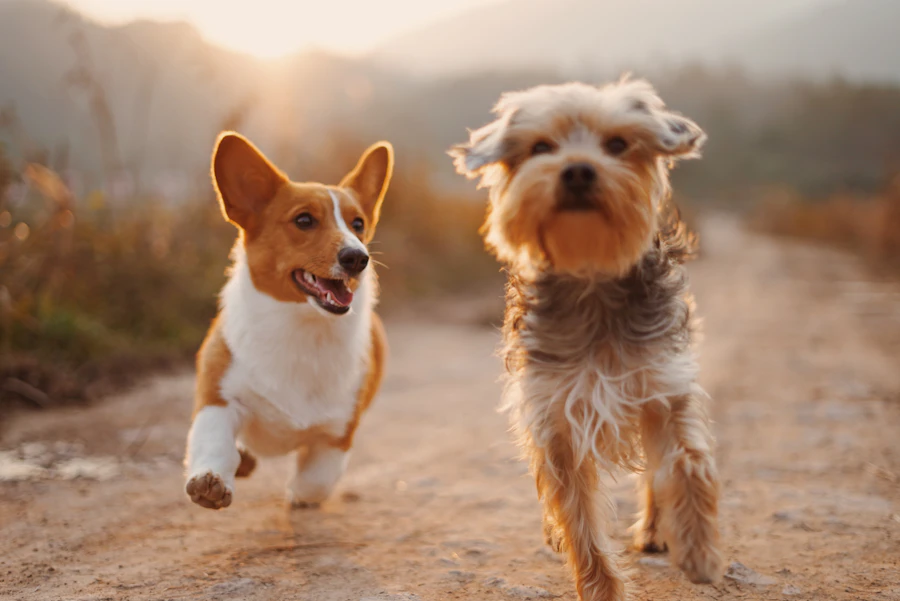
- Use waterproof jackets for small and short-haired dogs
- Avoid staying out too long in snow or strong winds
- Dry fur and paws immediately after coming indoors
Paw Protection in Winter

Winter hazards such as ice, frozen sidewalks, and salt cause dryness, cracks, and infections.
Tips to Protect the Paws:
- Use dog paw balm before and after walks
- Dog boots for harsh conditions
- Wash and dry paws after every walk
Winter Nutrition: Keep Your Dog Strong & Warm
Dogs burn more calories in winter trying to stay warm. A proper diet boosts immunity and prevents weight loss.
- Increase high-quality proteins in cold months
- Omega-3 fatty acids help with dry skin
- Hydrate — dry air = faster dehydration
Keep Your Dog Active Indoors
- Short training sessions
- Fetch games
- Food puzzle toys
- Treat hide-and-seek
Watch for Signs of Hypothermia
If you notice any of the following — warm the dog immediately and see a vet:
- Shivering non-stop
- Weakness or slow movement
- Cold ears and paws
- Gray/blue gums
Senior Dogs Need Extra Comfort
- Heated dog bed or warm blankets
- Massage and light indoor exercise for joints
- Glucosamine supplements if recommended
Indoor Safety Tips
- Keep dogs away from heaters and fireplaces
- Avoid leaving wet fur too long — risk of skin issues
- Maintain room humidity to prevent dry skin
Useful Resources
Internal Link
Learn more about itchy skin problems: Why Is My Dog Itching? Causes & Treatments
Conclusion
Winter can be a magical season for dogs — but safety always comes first! With smart planning, proper nutrition, and warm protection, your dog can enjoy every snowy adventure safely and happily.
Visit Dogpom for expert guides to keep your pup healthy all year!